

Click the link for are a few of the key brownfields contacts for Alaska. If you are unsure who to reach out to or are looking for a more local contact, CCLR may be able to assist you. Please don’t hesitate to contact us!
Native Village of Kluti-Kaah, Alaska
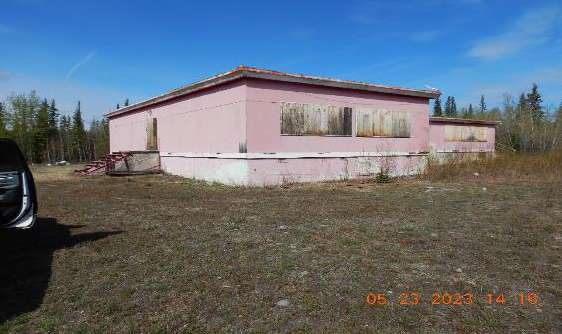
The Copper River Native Association successfully completed cleanup of the Old BIA Copper River School in Kluti-Kaah.
2023-2025
Project Description
The Alaskan Native Village of Kluti-Kaah (Copper Center) is set on the confluence of the Klutina and Copper rivers about 190 miles east of Anchorage. The village was an important winter settlement for the Ahtna people for thousands of years and is now home to about 325 year-round residents.
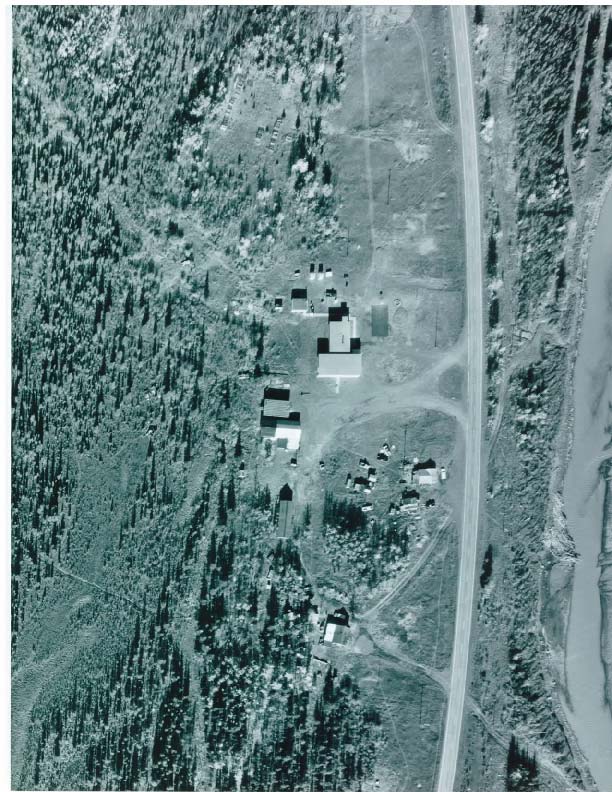
In the 1950s, the Bureau of Indian Affairs (BIA) opened a school in Kluti-Kaah, which operated until the late 1970s or early 1980s. The school provided a bilingual education, and students learned the Ahtna language along with English. After the school closed, village children were bussed to school in Glennallen, about 12 miles away. “There were a lot of memories in that school. That was our childhood,” says Native Village of Kluti-Kaah tribal member Anna Bell Hand, who attended the school from Kindergarten through 8th grade, when the school closed.
After closing, several efforts were made to demolish the school, all of which ran into challenges. The BIA, EPA and the State of Alaska disagreed over who was responsible for cleanup. A lack of documentation, and transfer of the site from the BIA to the State of Alaska in 1960 added to the uncertainty. All the while, the school deteriorated. Lead, asbestos and PCBs were present in every room and the exterior of the building. Children sometimes broke into the closed building, raising further safety concerns.
The physical school building was transferred to the Native Village of Kluti-Kaah in 1983, opening a path to assessment. The State of Alaska funded a site assessment in 2010. The assessment found hazardous building materials (HBM) and petroleum soil contamination. The community wished to have the contamination addressed, but setbacks continued and the site remained unremediated.
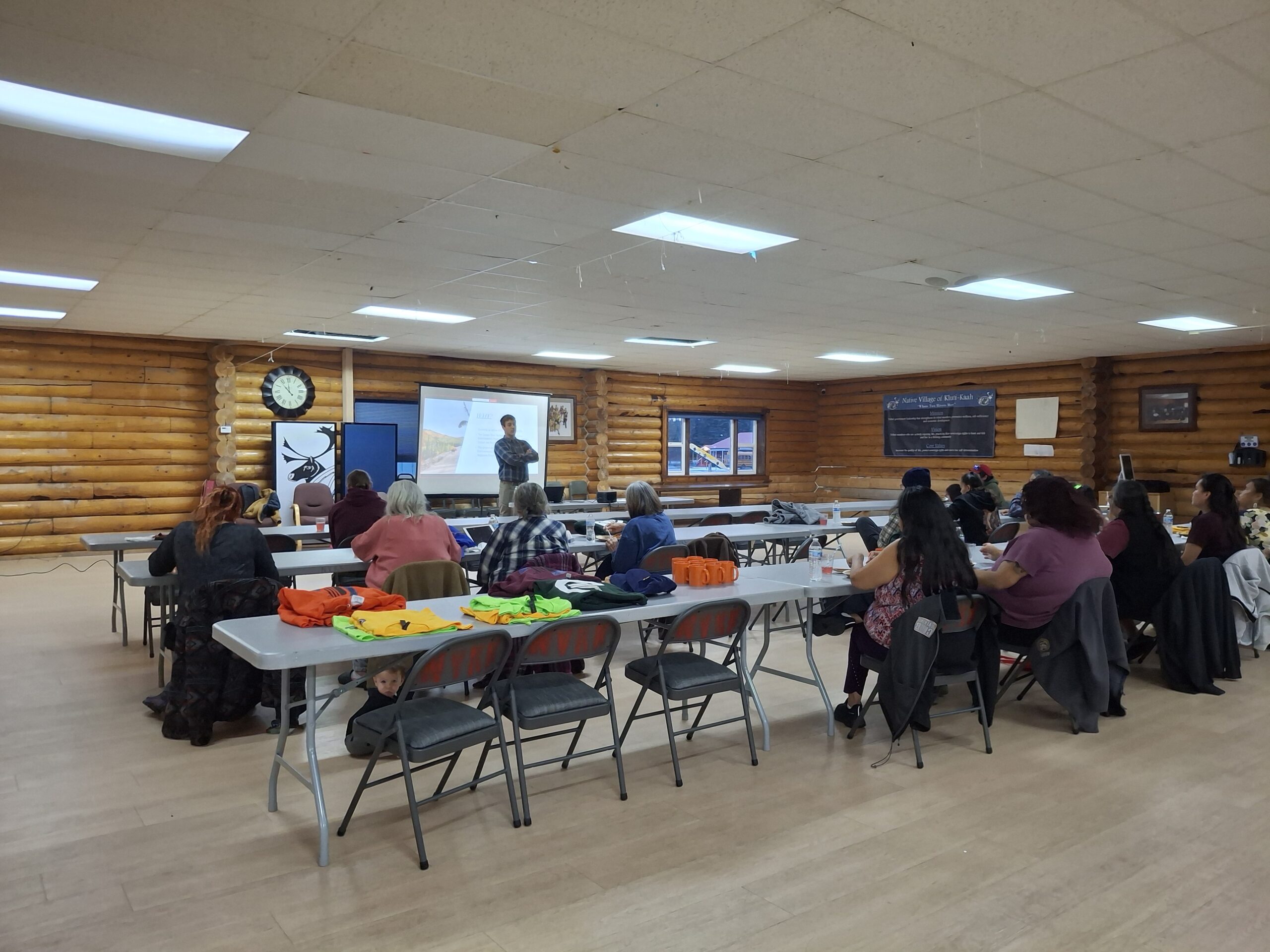
In 2023, the Copper River Native Association, a Tribal health organization in the Ahtna region, secured an U.S. EPA Targeted Brownfield Assessment for the site. This assessment found HBM inside the building, and along the dripline of the building, but the petroleum identified in 2010 had degraded to below cleanup threshold. Finally, in 2025, funding was secured from the Alaska State and Tribal Response Program (STRP), which is funded by the U.S. EPA, to remediate the site and demolish the school. The Center for Creative Land Recycling assisted CRNA with the development of an RFP to secure a contractor for the cleanup. CRNA hosted events to inform the community about the state of the building, the cleanup, and to envision a future for this site that had housed the school for 75 years.
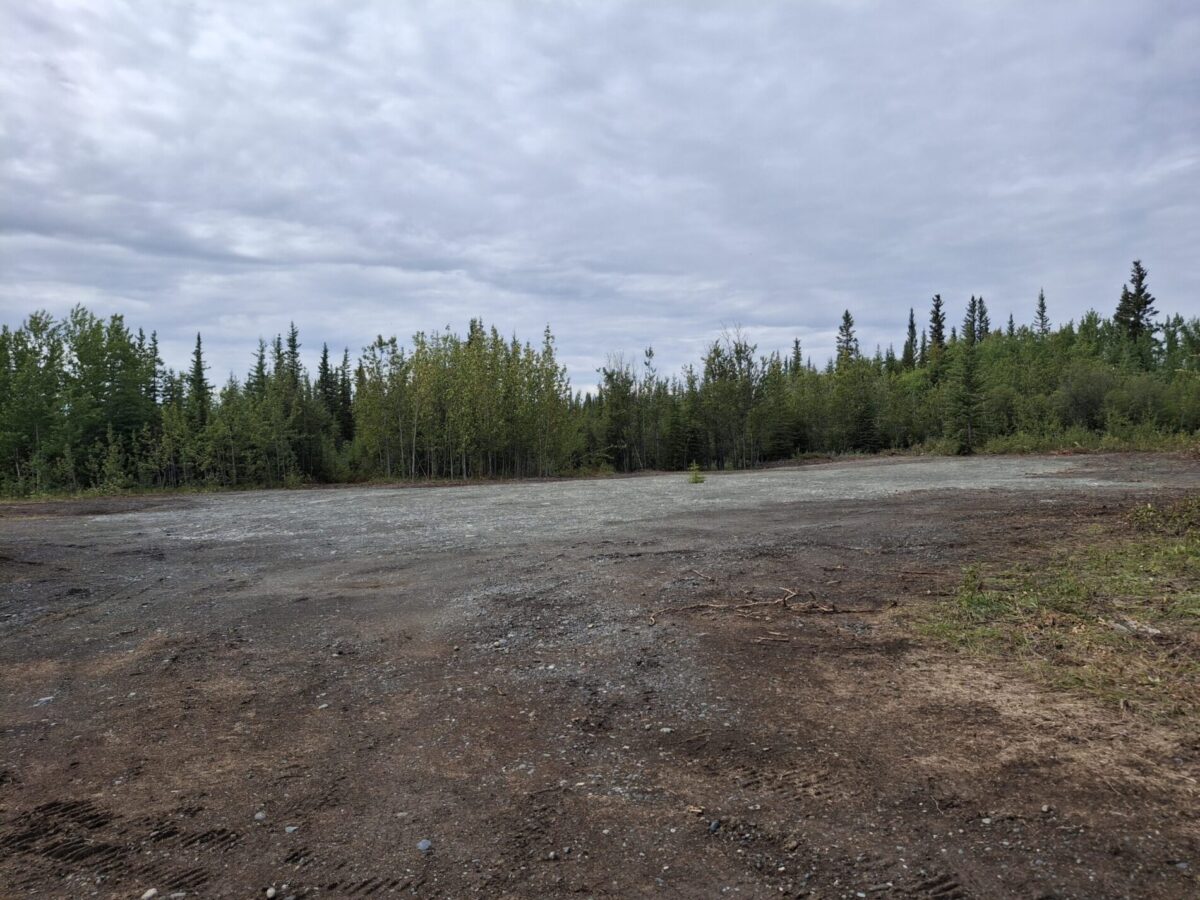
Due to the robust community engagement, Kluti-Kaah residents were ready to see the school demolished. “We had been talking about demolition for years. We understood how dangerous it was. The school is no longer a hazard for our community, but it was sad to see it go.” Says Anna Bell Hand. The Tribe hopes to revegetate the land and return it to its natural state. There are also talks about adding signage to commemorate the school and its legacy.
Through the tenacity of the Native Village of Kluti-Kaah and the Copper River Native Association, and with support from the State of Alaska, U.S. EPA and CCLR; the Old Copper River BIA School site was fully remediated and the building demolished in August 2025. The book on this long journey to remove hazardous materials from Kluti-Kaah has finally been closed.
Project Details

Total Area: 2.16 Acres

Previous uses: Bureau of Indian Affairs School

Current uses: Open Space

Benefits: Removal of hazardous building materials and a hazardous old structure from the village. Protection of human and environmental health.

Financing:
State of Alaska, $160,000 U.S. EPA Targeted Brownfield Assessment, $590,000 Alaska State and Tribal Response Program Cleanup Funding

Services provided: RFP review

Project Partners:
State of Alaska Department of Natural Resources and Department of Environmental Conservation, U.S. EPA, Native Village of Kluti-Kaah, Copper River Native Association, Center for Creative Land Recycling, ERG Eastern Research Group, Alta, Chemtrack, Inc Alaska
Project Impact
0
When the Old BIA School opened
0
Hazardous Building Materials removed
$ 0 k
In State and Federal brownfield funding
Photo Gallery
Partner Organizations
CRNA is a Tribal Health Organization established through six compacted Ahtna Villages; Cantwell, Gakona, Gulkana, Kluti-Kaah, Mentasta and Tazlina.
EPA’s State and Tribal Response Program (STRP) provided cleanup funding
Alaska DEC provided a site assessment and funding through the STRP
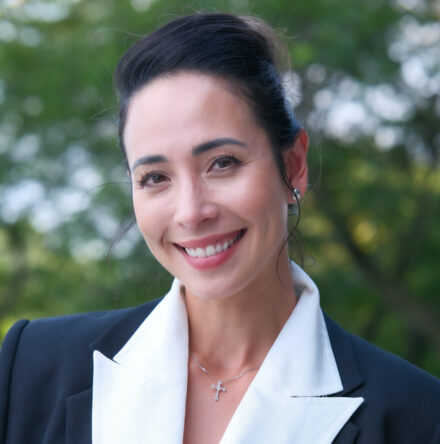
Joy Britt
Joy is a Senior Consultant at CCLR and the owner of Atlas 360 Consulting, where she specializes in providing technical assistance for federal grants, grant writing, and program management strategy and support. Joy is intentional about fostering and maintaining relationships, leveraging her ability to connect people to build partnerships that strengthen coalitions. Passionate about serving marginalized communities and Indigenous peoples, she thrives on tackling challenges with innovative, community-driven solutions. Joy lives and works in Dena’ina Ełnena (Anchorage, Alaska).

EPA’s Multipurpose, Assessment, RLF and Cleanup (MARC) grants are awarded each year to address contaminated (or potentially contaminated) sites. EPA’s Targeted Brownfield Assessment (TBA) Program helps a community gather information about its brownfield sites in preparation for investment through a rolling application process.

Alaska is Unique. A whopping 229 of the 574 federally recognized Tribes nationwide call Alaska home, it also has the highest number of Tribal Brownfields programs that receive CERCLA 128(a) funding. And brownfields practitioners active in Alaska face unique challenges due to land ownership through the Alaska Native Claims Settlement Act (ANCSA). The STRP Workshop provides a great opportunity for the TRP community to congregate and learn from each other.