| Join the Conference Email List | Become a Conference Sponsor |
CCLR, EPA Region 9 and the Nevada Division of Environmental Protection invite you to attend the inaugural Nevada Brownfield Conference in Las Vegas, May 6-7
Join us for two days of:
- In-depth sessions focused on various aspects of the brownfield reuse process and featuring case studies from local practitioners.
- See brownfield redevelopment in action! Visit active and completed sites, step off the bus at key locations, and hear directly from project leaders about the partnerships, challenges, and strategies driving transformation. Learn More About the Mobile Tour Sites
- A networking social: Connect with speakers, sponsors and other attendees during our social at the Springs Preserve Room.
- A Remediation & Redevelopment Labs Group Activity! Apply tools and frameworks from the conference sessions to your own site, or a facilitator-provided example. You will leave with tangible next steps or draft materials to advance your brownfield project.
 | The Nevada Brownfields Conference as been approved for AICP credits – 12.25 CM Event #9325475 |
Conference Schedule
Registration, Breakfast & Networking
Principles of Brownfield Reuse Workshop
The brownfields workshop establishes a shared understanding of brownfields redevelopment and the steps required to move projects forward. Participants will learn EPA’s definition of brownfields and explore core building blocks—including liability and due diligence, site prioritization, community engagement and outreach, funding pathways, and reuse planning. The workshop is designed to help communities understand how early decisions shape successful reuse and redevelopment outcomes, benefiting their community and its residents.
Lunch & Networking
Mobile Tour: Cleanup Sites, Success Stories & Opportunity Areas
The mobile tour offers participants a practical look at a selection of sites representing different points along the redevelopment continuum. Stops may include properties in early planning stages, sites moving through assessment or redevelopment, and completed projects now in reuse. Discussion will focus on how communities navigate changing conditions, priorities, and constraints over time, and how planning, funding, regulatory coordination, and community considerations influence decisions at each stage.
Site visits include:
Symphony Park
North Las Vegas Old City Hall
Dolores Huerta Resource Center
Networking Social
Thank you to SCS Engineers for supporting our networking social at Springs Preserve
Join us at the Springs Preserve Room for an opportunity to engage with speakers, sponsors and conference attendees.
Breakfast & Networking
Session 1 Redevelopment & Reuse Pathways: From Assessment to Cleanup
This session explores how brownfield sites move from assessment through cleanup and toward reuse. Participants will learn about key decision points, common redevelopment pathways, and how EPA and state resources support project advancement.
Session 2
Stack and Sequence: Building a Capital Matrix for Brownfield Redevelopment Funding
This session provides a clear framework for understanding how multiple funding and financing sources work together over the life of a brownfield project. Participants will learn how brownfield-specific funding, traditional redevelopment financing, and private investment can be stacked and sequenced to support different stages of redevelopment. Using a simplified capital matrix, the session prepares participants to think strategically about aligning resources with project needs and sets the stage for hands-on application in the afternoon lab.
Session 3 Brownfield Redevelopment Partnerships
Strong partnerships are often the difference between stalled sites and successful redevelopment. Speakers will share practical lessons on how communities collaborate with state and federal agencies, nonprofits, developers, and other private-sector partners to align roles, manage risk, and address complex redevelopment challenges. Partnership models, coordination strategies, and real-world examples will illustrate how collaboration can help advance cleanup, financing, and reuse outcomes.
Session 4
Community Engagement & Outreach
Effective brownfield redevelopment depends on meaningful, well-timed community involvement. This session explores practical approaches for engaging residents, stakeholders, and local partners throughout the redevelopment process. Speakers will discuss strategies for building trust, incorporating community priorities into decision-making, and maintaining engagement as projects evolve. Examples will highlight how thoughtful outreach supports equitable reuse outcomes, strengthens project support, and helps communities navigate change while advancing redevelopment goals.
Lunch & Networking
Remediation & Redevelopment Labs Group Activity Round 1
Day 2 features interactive, facilitator-led labs that build on workshop and session presentations through hands-on project work. In each lab, participants apply tools and frameworks to their own site or a facilitator-provided example and leave with tangible next steps or draft materials to advance their brownfields project.
PLEASE NOTE: Participants will select two labs when registering. Labs are subject to change.
Lab Options
Site Prioritization & Criteria:
Using your site or a facilitator-provided example, apply a prioritization framework and leave with a ranked list based on readiness, risk, and community goals.
Stack and Sequence: Building a Capital Matrix for Brownfield Redevelopment Funding
Working from your project or a sample scenario, develop a step-by-step funding sequence that layers Federal, State, and private resources.
Community Visioning & Roadmap Tools:
Apply hands-on engagement tools to your community or a provided case and walk away with a draft outreach providing you with your tool to move forward for equitable reuse.
Grant Management & Reporting (Nevada Focus):
Using your active grant or a provided example, clarify compliance and reporting requirements and leave with practical tools and next steps for managing EPA Brownfields grants.
Reuse and Redevelopment –
Move from site identification to a clear, actionable reuse strategy. Using your own project (preferred) or a Nevada-based scenario, participants will work through the key decisions that shape successful redevelopment—defining the intended reuse, identifying enabling actions, and aligning partners, tools, and resources.
Participants will apply a structured redevelopment framework to clarify community outcomes, assess constraints and opportunities (ownership, infrastructure, contamination, market context), and build a sequenced action plan linking predevelopment steps with funding and financing milestones. The lab focuses on practical implementation—identifying immediate next steps (30–90 days) and near-term priorities (6–12 months)—so teams leave with a realistic roadmap, not just concepts.
Remediation & Redevelopment Labs Group Activity Round 2
Closing discussion / Q&A
Speakers

Senior Brownfield Consultant,
Center for Creative Land Recycling

Environmental Scientist,
Center for Creative Land Recycling

Technical Assistance Lead,
Center for Creative Land Recycling

Brownfields Project Manager,
EPA Region 9
Regional Planner,
Regional Transportation Commission of Southern Nevada

Environmental Scientist,
Nevada Division of Environmental Protection
Environmental Scientist,
Nevada Division of Environmental Protection

Principal, Environmental Services,
Stantec

Redevelopment Project Manager,
City of Henderson

Principal Brownfield Specialist,
Stantec
Project Director,
SCS Engineers
Redevelopment Specialist,
City of North Las Vegas

Senior Vice President,
Converse Consultants
Nevada Certified Environmental Manager (CEM) and Project Manager,
SCS Engineers
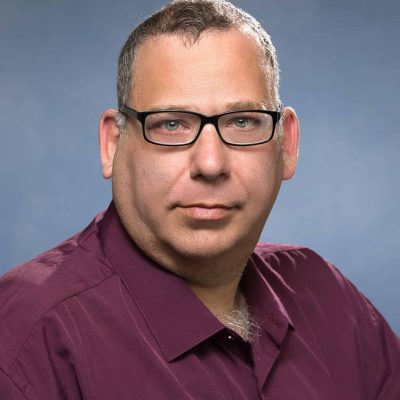
Program Evaluation Manager,
NyE Communities Coalition

Vice President,
SCS Environmental Services Group for Northern California
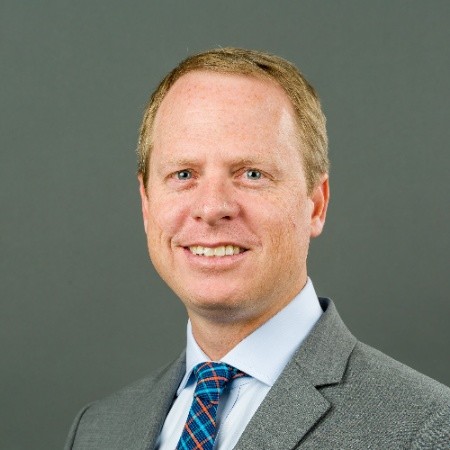
Project Director,
SCS Engineers

Deputy Director,
Northern Nevada Development Authority
Sponsor this Event
Event sponsors receive opportunities to meet and engage with land recycling professionals and share expertise as speakers. Follow the link to fill out the sponsorship interest form.
Catalyst Sponsors


Connector Sponsors



Friend Sponsors



Networking Social Sponsor
Thank you to SCS Engineers for supporting our networking event at Springs Preserve

Springs Preserve
Thank you to Springs Preserve for making their facilities available to us for this event.
Hotel Considerations
While we are not endorsing specific properties, we researched several nearby hotels for convenience and affordability. These options are less than 10 minutes from the Springs Preserve and are currently showing competitive rates aligned with GSA pricing (note: rates are subject to change):