2026 Funding Sources to Transform California Brownfields into Green Spaces
Public green spaces, including parks, open-space, trails, urban greening, and recreation areas, are a vital element of a vibrant and healthy community, providing boundless social, economic, and physical benefits. However, most communities struggle to find available space or funds to create these essential parks.
Brownfields provide an opportunity to transform the most degraded and underutilized sites in communities into the essential green infrastructure that every community needs. Building on brownfields can also unlock new funding opportunities. Moreover, brownfield-to-park transformation can deliver concentrated social, economic, and health benefits precisely where disinvestment and environmental harm have been greatest.
As the leading national nonprofit on brownfield redevelopment, CCLR is uniquely positioned to help communities navigate the complex intersection of environmental remediation, cleanup requirements, creative funding strategies, and equitable green space creation.
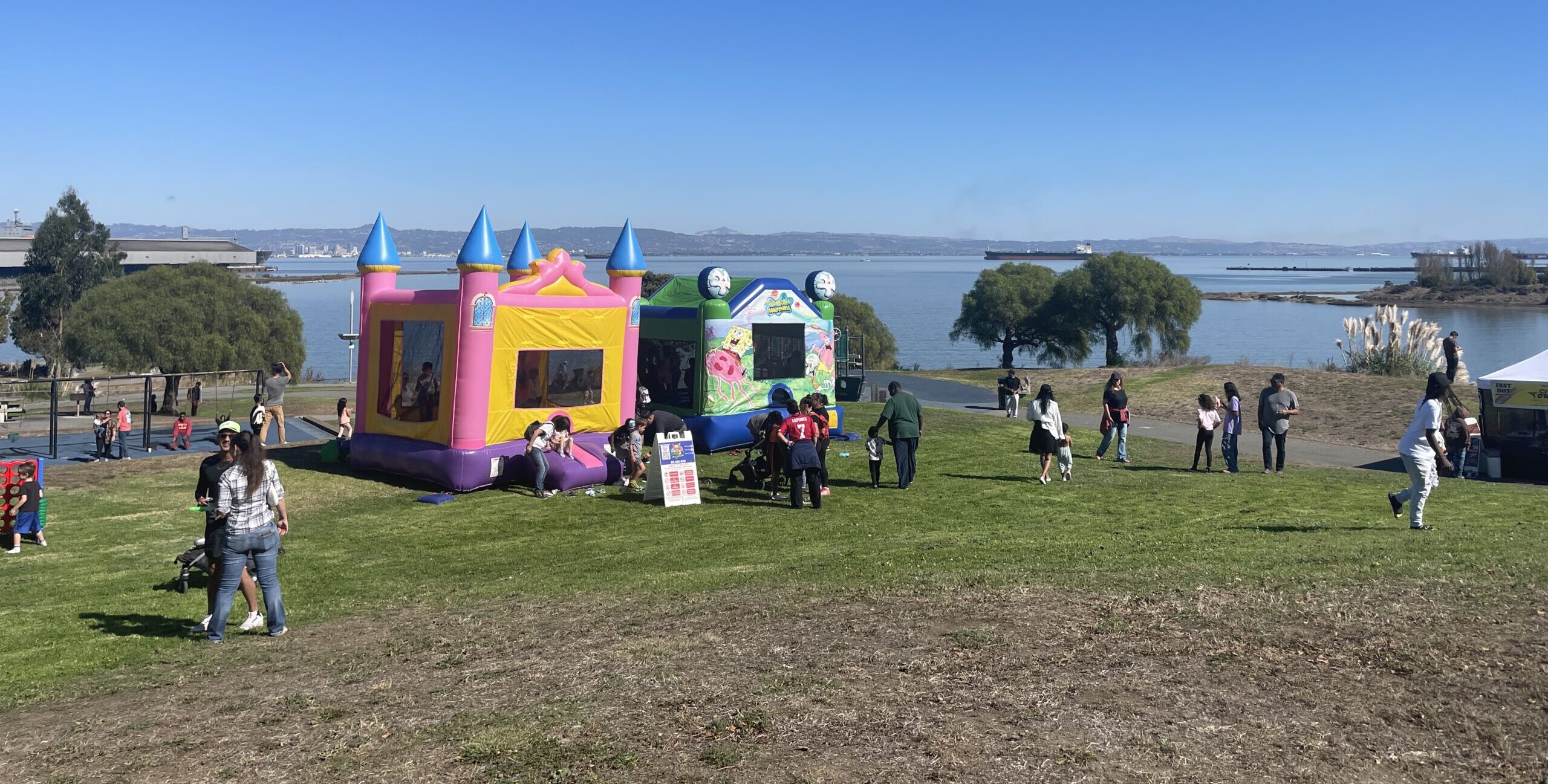
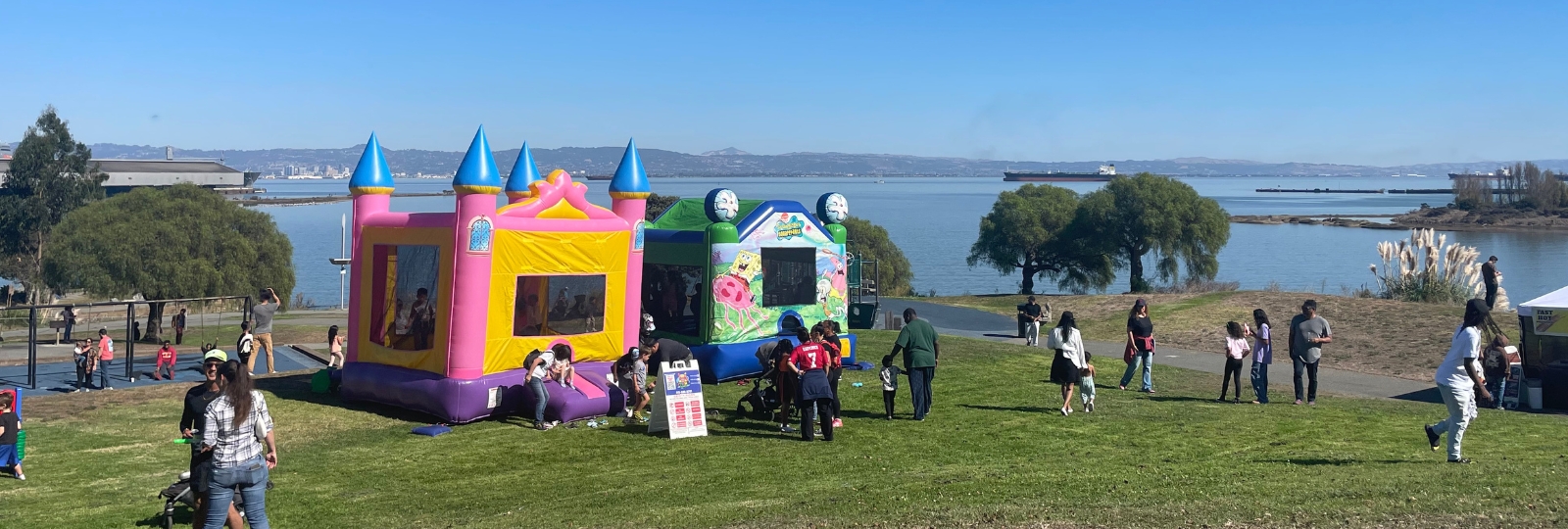
Opening day at the India Basin Shoreline Park in San Francisco, CA. The Shoreline Park is part of an ongoing effort to remediate contaminated coast in San Francisco!
To support new urban green space projects, and improvements to existing green space, we have identified five essential funding opportunities that any California community interested in park development should consider in 2026.
Many of the funds outlined are allocated from the “Safe Drinking Water, Wildfire Prevention, Drought Preparedness, and Clean Air Bond Act of 2024” (Proposition 4), commonly known as the “Climate Bond.”
The 2025-26 budget initiates the first year of this five-year investment plan, making 2026 a critical time for project proposals, as a large portion of the total $10B bond will be allocated early. It is also critical to note that a minimum of 40% of this bond funding is reserved to support vulnerable and disadvantaged communities. For more information on how to use data to tell a compelling community narrative, please see our data guide, “Using Data to Make Your Case: Leveraging Investment for Equitable Redevelopment.”
To review how to integrate these sources into a creative funding strategy, please visit our recently released park funding strategy guide, “Let’s Create a Park! Planning a Creative Funding Strategy for Successful Park Development” created in collaboration with urban design firm WRT.
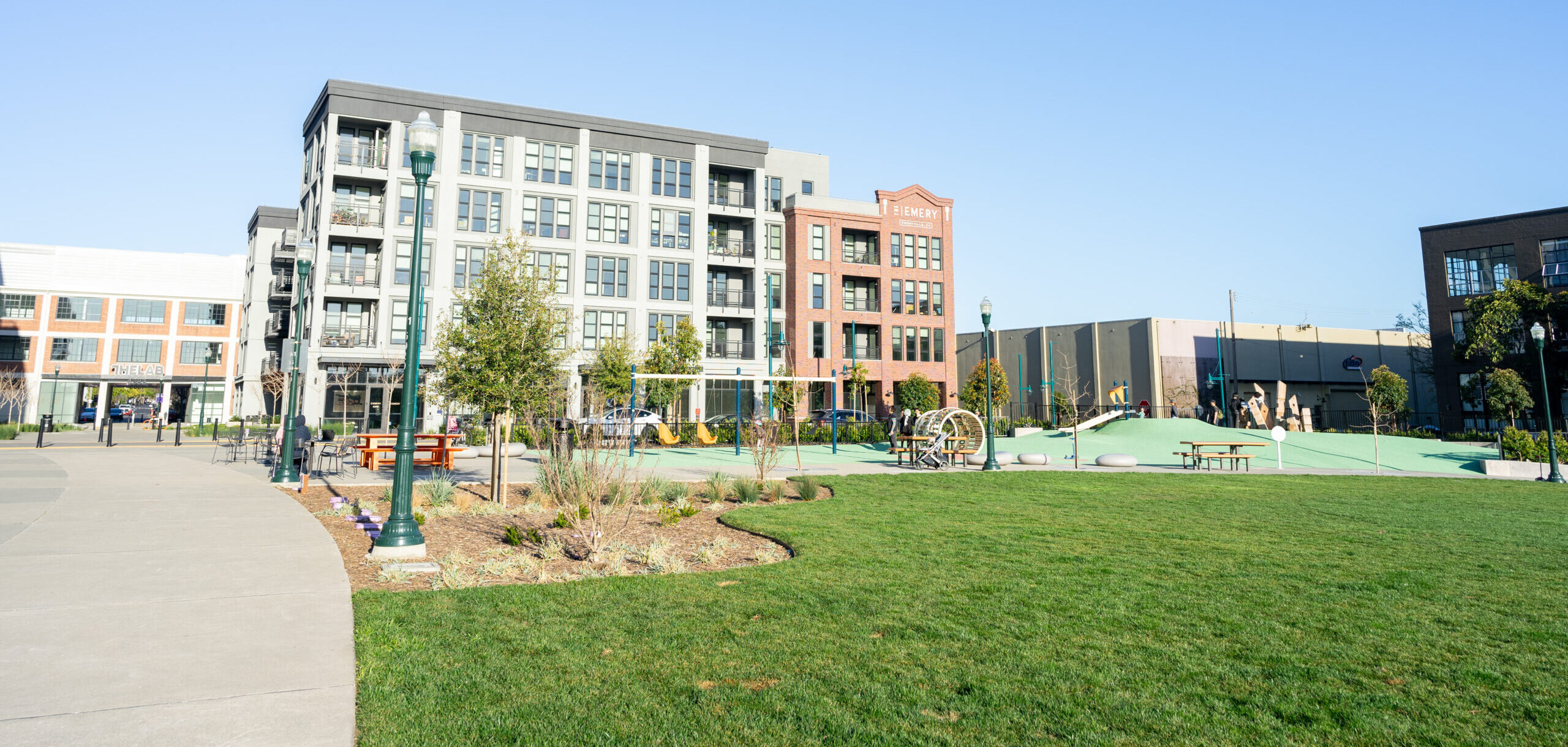
Huchiun Park in Emeryville, CA used brownfield funding to build community space in a former industrial area.
Let’s explore some green space funding opportunities:
Outdoor Recreation Legacy Partnership (ORLP) Program, National Parks Service
- Eligible Projects: ORLP funds the acquisition, development, or renovation of land for public, outdoor recreation
- Projects must be located within a “disadvantaged” census tract
- Grantor: States are lead applicants – The California Department of Parks and Recreation’s Office of Grants and Local Services (OGALS) manages the California ORLP program.
- Subscribe to OGALS Grant Updates
- Technical Assistance: Trust for Public Land will support grant applicants. See TPL’s ORLP website for more information.
- Funding: $300,000 – $15M grants
- 1:1 non-federal match required
- Upcoming deadlines are TBD (sign up for CCLR’s Newsletter to receive funding updates)
- ORLP is a national program administered by Land and Water Conservation Fund (LWCF). If you are outside of California and interested in learning more about ORLP funding in your state, contact your state’s designated LWCF state lead agency.
Prop 4 State Funding Opportunities
- Statewide Park Development and Community Revitalization Program
- $188.5M from Prop 4 are allocated to Round 5 of the SPP
- The intent of this program is to create new parks and new recreation opportunities in critical communities across California. Projects must involve either development or a combination of acquisition and development to:
- Create a new park
- Expand an existing park
- Renovate an existing park
- RFPs are expected to be released in Spring/Summer of 2026 with applications due in Fall 2026.
- More information can be found on California State Parks grant website
- Urban Greening Program
- $46M from Prop 4 are allocated towards competitive grants for urban greening
- This funding is administered by the California Natural Resources Agency (CNRA), who will award funding to any urban greening grant projects that mitigate the urban heat island effect, rising temperatures, and extreme heat impacts.
- We don’t have an expected timeline for this grant, subscribe to Bonds & Grants Announcements to stay informed on future Urban Greening funding opportunities, and check visit website https://resources.ca.gov/grants/urban-greening/
- Transformative Climate Communities (TCC)
- $137M available
- The TCC funds three grant types: Planning Grants, Project Development Grants, and Implementation Grants to fund parks and green infrastructure. These are intentionally complex and integrated multi-partner effort projects with special attention to local workforce development, anti-displacement, and community-led development.
- Up to 10% of funds can be used for brownfield activities including investigation and cleanup.
- Expected RFP Spring/Summer; awarded in 2027
- Grant Info
- Community Resilience Centers (CRC) Program
- $55.3M available
- Funds the planning, construction, and retrofit of community resilience center (parks must include a building to be considered a resilience center under this grant)
- Expected: RFP Spring Summer 2026/ Awarded Spring 2027
- Grant Info
Others Potential Sources of Funding
- Department of Water Resources Grants and Loans Page – multiple funding opportunities
- CalFire’s Urban and Community Forestry Program (UCFP) Grant Page
- Wildlife Conservation Board Grant Page
- CA Department of Conservation Grant Page
- Check in with your local land conservancies
How CCLR can help
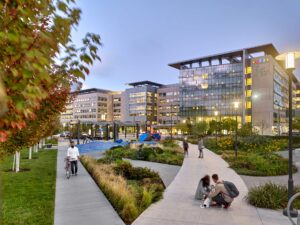
Mariposa Park in San Francisco, CA offers pedestrian pathways, recreation and native plan habitat for residents in the Mission Bay neighborhood.
With a community-led vision, creative funding strategy, and technical support, brownfields can be restored into vibrant parks and green space, transforming underutilized land from liability to asset. CCLR can help support your community brownfield-to-park transformation through services such as:
- Strategic funding expertise and grant application support
- Technical guidance through the brownfield-to-park transformation process
- Creating collaborative networks and partnerships
- Convening stakeholders to build community support
If your community is interested in creating equitable, accessible greenspace while addressing environmental concerns, please reach out to our Parks & Open Space program lead, Sarah Fingerhood ([email protected]) and schedule a technical assistance intake call.