How Brownfields Strengthen Green Building Goals: Reflections from The International Greenbuild Conference
This year, CCLR had the opportunity to attend Greenbuild, a conference and expo on sustainable building and high-performance development. The event brought together architects, planners, developers, policymakers, and environmental advocates focused on shaping buildings and communities that are healthier, more resilient, and more resource-efficient.
While Greenbuild covers topics ranging from embodied carbon to advanced materials and regenerative design, one strategy often remains under-recognized in the green-building conversation: the thoughtful reuse of brownfields. Land recycling offers a powerful, practical pathway to advance sustainability goals, especially when viewed through the lenses of life-cycle analysis, nature-based solutions, and thoughtful urban design.

Life-Cycle Thinking and the Circular Land Economy
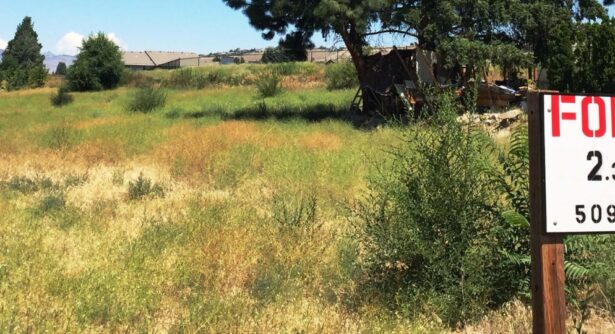
Much of the sustainability field has embraced life-cycle analysis to assess the full footprint of buildings and materials. The land we build on also has a life cycle. Brownfields, properties that are vacant, underused, or affected by contamination, represent an opportunity to extend the usable life of already-developed land.
Redeveloping a brownfield avoids the carbon, infrastructure, and ecological losses associated with opening new greenfield sites. It also aligns with circular-economy principles: rather than consuming new land resources at the fringe, we reinvest in areas with existing roads, utilities, and transit.
This form of infill development is one of the most effective strategies to reduce urban sprawl, curb transportation emissions, support walkability, and preserve natural and agricultural lands. While buildings and material selections often receive the spotlight at Greenbuild, where they sit, and how that land is reused, can be just as consequential for long-term climate performance.
Nature-Based Solutions and Functional Landscape Architecture
Greenbuild’s emphasis on climate resilience and regenerative design echoes trends we observe nationally: communities want solutions that solve multiple problems at once. Brownfield sites, with their history of environmental degradation, can be ideal for nature-based solutions (NbS) that restore ecological function while supporting redevelopment goals.
Techniques such as phytoremediation, mycoremediation, soil rebuilding, green infrastructure, and wetland creation can help address contamination while providing long-term stormwater management, flood protection, urban heat reduction, and habitat corridors.
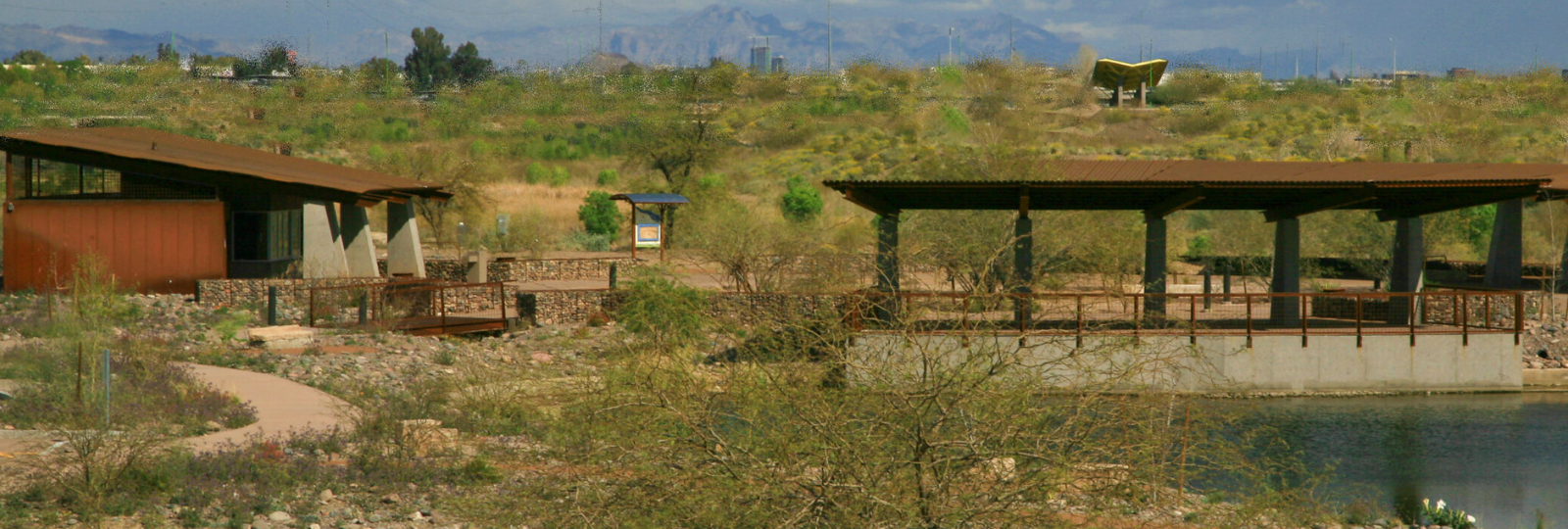
When these approaches are integrated into functional landscape architecture, the result is more than cleanup, these sites can become valuable amenities. Former industrial parcels can emerge as parks, stormwater sponges, community gardens, or mixed-use sites where ecological function and human use reinforce each other.
Public–Private Partnerships and Community Benefit
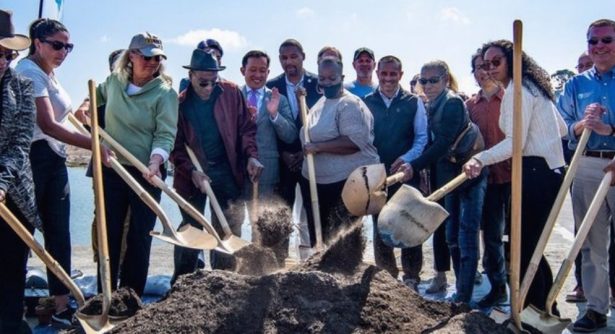
Brownfields are also ideal ground for public–private partnerships (P3s), a recurring theme at Greenbuild. Successful reuse often requires coordination across multiple actors: municipalities, community organizations, developers, regulators, and philanthropy.
With the right alignment, brownfield projects can deliver:
- New housing and mixed-use space
- Expanded tax bases
- Climate-resilient green infrastructure
- Environmental justice outcomes
- Community-driven place-making
Because these sites sit within established infrastructure networks, they can often deliver greater community benefit per dollar invested compared to new development on the outskirts of town.
Brownfields as a Climate-Resilience Strategy
One message reinforced throughout the Greenbuild program is that resilience is not just about building design—it is about land use. Flooding, heat, wildfire, and infrastructure stress all intersect with the question of where we build and reinvest.
By repurposing older properties, improving soil and water function, and connecting community needs with redevelopment opportunities, brownfields can become anchors of climate-resilient urban planning.
Looking Ahead
Our time at Greenbuild underscored that brownfields, though sometimes overlooked in green-building dialogue, hold enormous potential to help cities meet sustainability, climate, and equity goals. As nature-based solutions, adaptive reuse, and circular land practices become more mainstream, we look forward to continuing to share tools, technical assistance, and success stories that help communities unlock the full value of land recycling.