From Clean Foundation to Final Build Up: Sierra Institute’s Capital Stacking Strategy
Imagine a house. Now, look beyond its four walls and consider all the component parts required to make it stand up. Someone leveled the ground, built a foundation tailored to the local environment, drew up plans and hauled in all the necessary materials.
The Sierra Institute for Community and the Environment knows this process well, not only because it supplies materials to build houses. The Institute has spent a decade applying the same “component-parts” logic to their funding structures in a process called capital stacking.
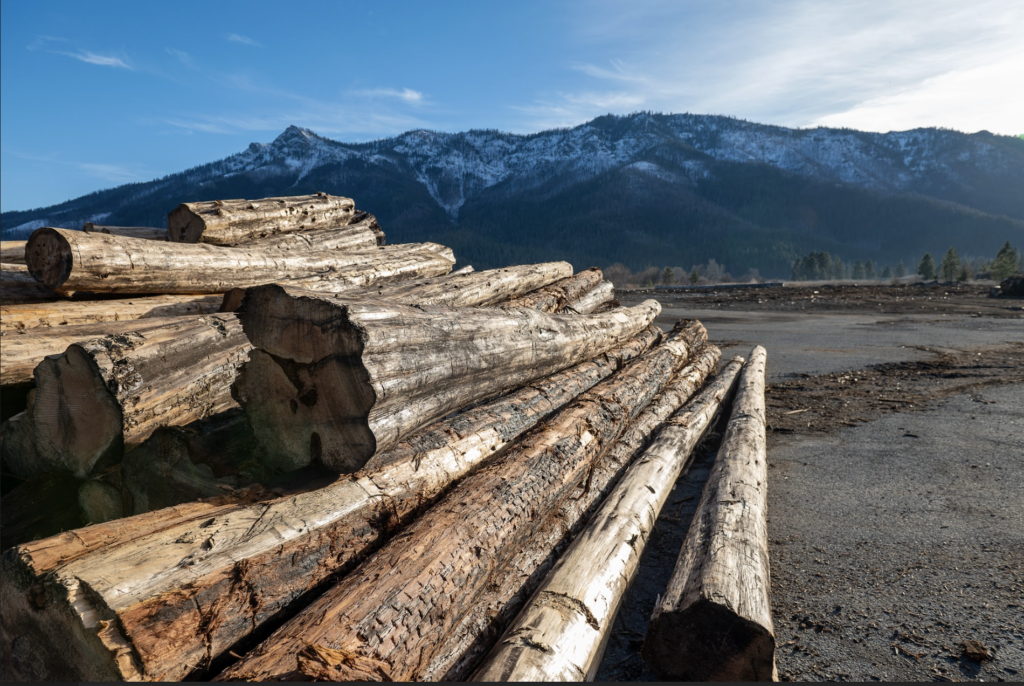
Lumber ready to be milled.
Capital stacking is a funding strategy that uses diverse, sequential sources to sustain a reuse project. Varied funding makes a project resilient and nimble. Stacking sources like grants, donations, and tax credits means a project can weather changes in funding availability. Sequencing that funding over months or years also helps a project sustain momentum rather than stopping and starting with every funding cycle.
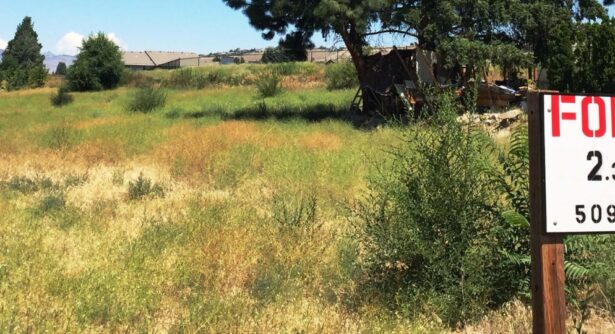
In 2014 the Sierra Institute set out to redevelop the former Louisiana Pacific Sawmill in Crescent Mills, CA, a small town in the Sierra Nevada region of Northern California. The sawmill site sits near the population center of Crescent Mills with excellent highway, rail, and electric substation access and favorable zoning. But soil contaminated by oil and chemicals historically used in lumber production held back redevelopment.
From 2018 to 2022, EPA awarded the Sierra Institute $2.1 million across four Cleanup grants to address legacy contamination at the sawmill. The first $600,000 Cleanup grant addressed the worst areas of contamination at the sawmill, including former discard sites for used oil and incinerator ash. In the following years the Sierra Institute segmented its site and used both clean soil and hardscape cover remediation solutions to isolate contamination and raise the site out of a flood plain.
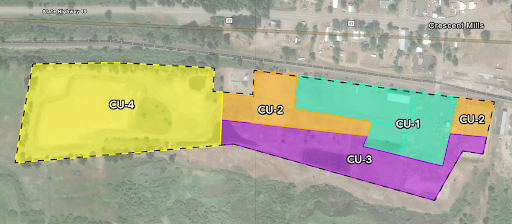
Sierra Institute utilized a phased cleanup approach for the 28-acre former sawmill
After the Dixie Fire burned hundreds of thousands of acres around Crescent Mills in 2021, the Sierra Institute pivoted an existing grant from the Sierra Nevada Conservancy to purchase second-hand mill equipment and secure emergency permitting to develop a sawmill on its brownfield site. Thanks to this flexible funding, the Indian Valley Wood Utilization Campus (IVWUC) opened for local logging and sawmilling business. The campus used burnt timber to meet an urgent need for lumber to rebuild structures destroyed by the Dixie fire. The Sierra Institute stacked additional funding from the Resource Legacy Fund, the U.S. Forest Service, CALFIRE, Tahoe Truckee Community Foundation, private investment, and non-profit funding to get the sawmill online and advance reuse plans at the former Louisiana Pacific site.
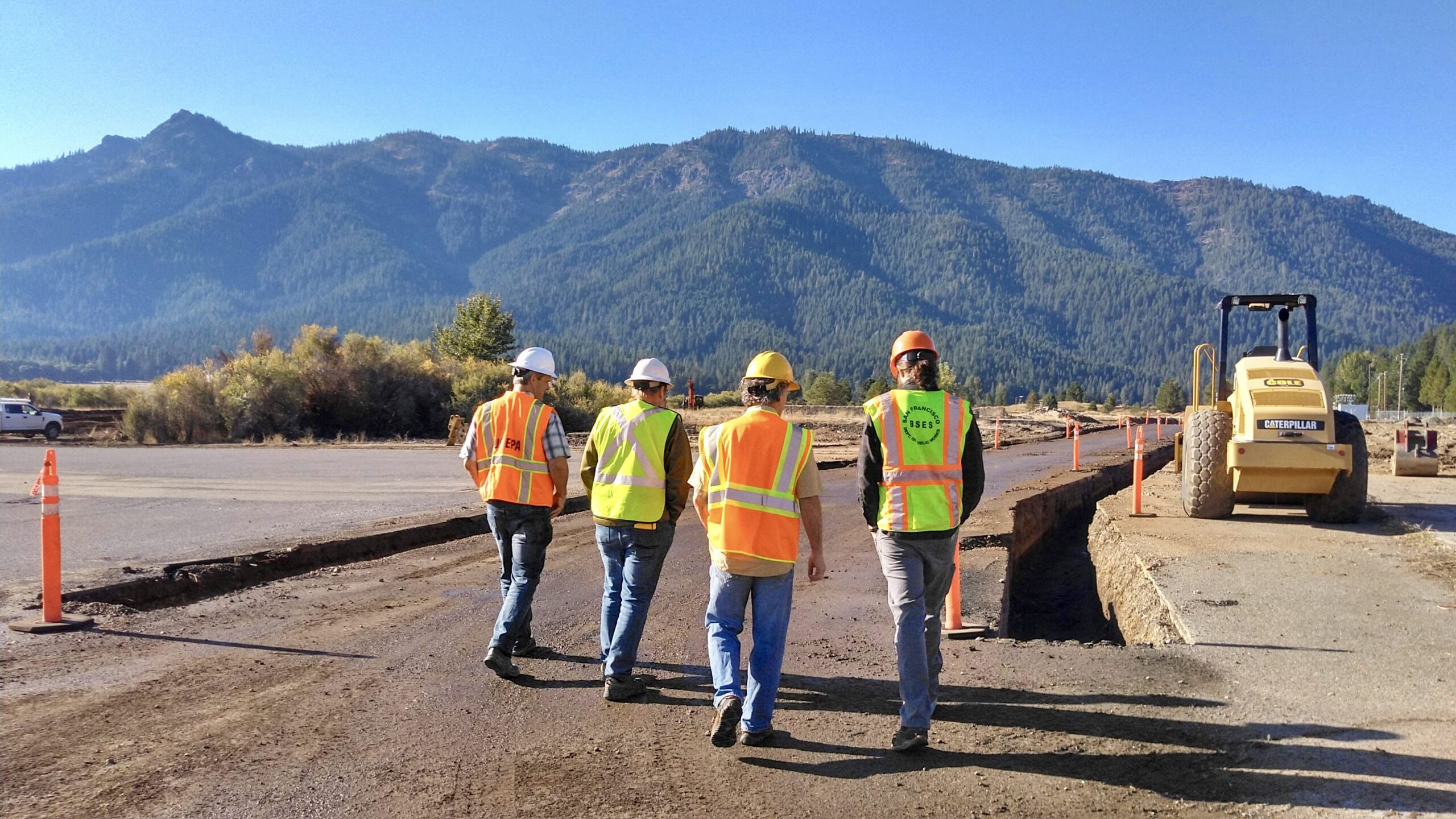
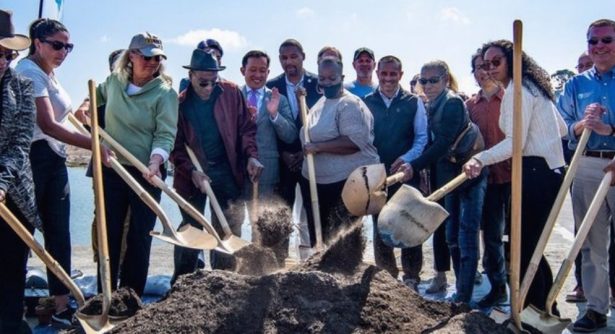
EPA, Sierra Institute, and contractor staff walk the sawmill site during cleanup activities.
In 2025, the Sierra Institute completed its cleanup of the former Louisiana Pacific Sawmill site and closed out its last two active EPA Cleanup grants. With support from a 2023 EPA Community Wide Assessment Grant, the nonprofit is investigating ways to replicate successes at the IVWUC to sites across Plumas County. In 2026, EPA awarded the Sierra Institute a $500,000 brownfield job training grant to train 240 students to assist with the assessment and redevelopment of other rural brownfields in the Sierra Nevada region.
To meet the growing needs for sustainable, fire-resistant, USA-produced building materials, the Sierra Institute has set out to create the first community-scale Cross Laminated Timber (CLT) manufacturing facility in California at the IVWUC. The newly established Mosaic Timber business will run this operation. Mosaic secured CLT equipment from industry-leading suppliers and is now focused on building a robust capital stack to get the new CLT facility built and running. The project needs to attract private and mission-aligned investment to scale manufacturing.
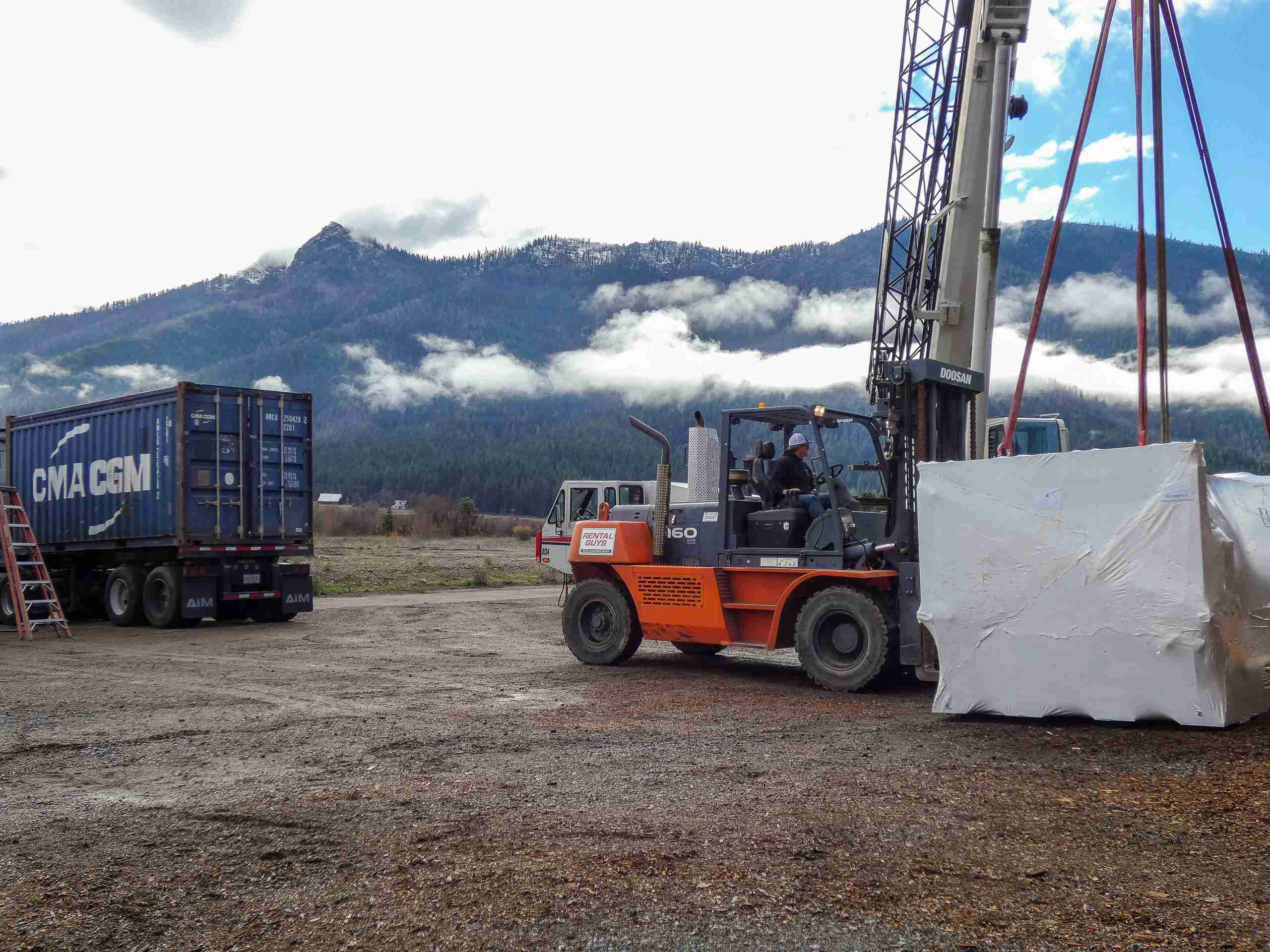
New CLT manufacturing equipment delivered to IVWUC in Nov 2025
The IVWUC is a platform for durable, place-based jobs in forestry, advanced wood manufacturing, engineering, logistics, and construction; many of which align with a growing low-carbon building economy. Beyond employment, the IVWUC is helping to stabilize the local tax base, shorten regional timber supply chains, utilize trees removed for hazard and fire reduction purposes, and to support post-wildfire rebuilding with locally produced, resilient building materials.
To learn more about the Sierra Institute for Community and the Environment’s rural brownfield redevelopment initiative and to donate visit: sierrainstitute.us/wood-utilization-rural-brownfields/
To learn more about Mosaic Timber: mosaictimber.com
Learn more about capital stacking
Webinar: Stacking Up Success: An Introduction to the Art of Brownfield Redevelopment Funding
Webinar: Built By Us: How Nonprofits Can Lead the Charge In Local Development
CCLR Guide: Using Data To Make Your Case: Resources to Jump-Start Your Journey to Revitalization
EPA Fact Sheet: Navigating Funding for Brownfields Revitalization
EPA Fact Sheet: The Development Spectrum
CCLR Parks Specific Reuse: Let’s Create a Park! Planning and Creative Funding Strategy for Successful Park Development