From Gas Station to Gathering Place: Notes from the Carson Perfect Pitch Competition
For this year’s Earth Day, I served as a judge for the Carson Perfect Pitch Competition at CSU Dominguez Hills, the capstone of the Spring 2026 Brownfields Fellowship Program, co-delivered by the City of Carson, the CSUDH Office of Sustainability, and industry professionals. Six student fellows pitched redevelopment ideas for real brownfield parcels in their own Los Angeles neighborhoods, presenting outside under a campus canopy in front of peers, faculty, and City staff.
The preparation included twelve weeks of coursework covering the foundations of brownfields, local government processes, community engagement, funding, and permitting, which built up to short pitches scored on problem framing, realism, community impact, resource needs, and delivery.
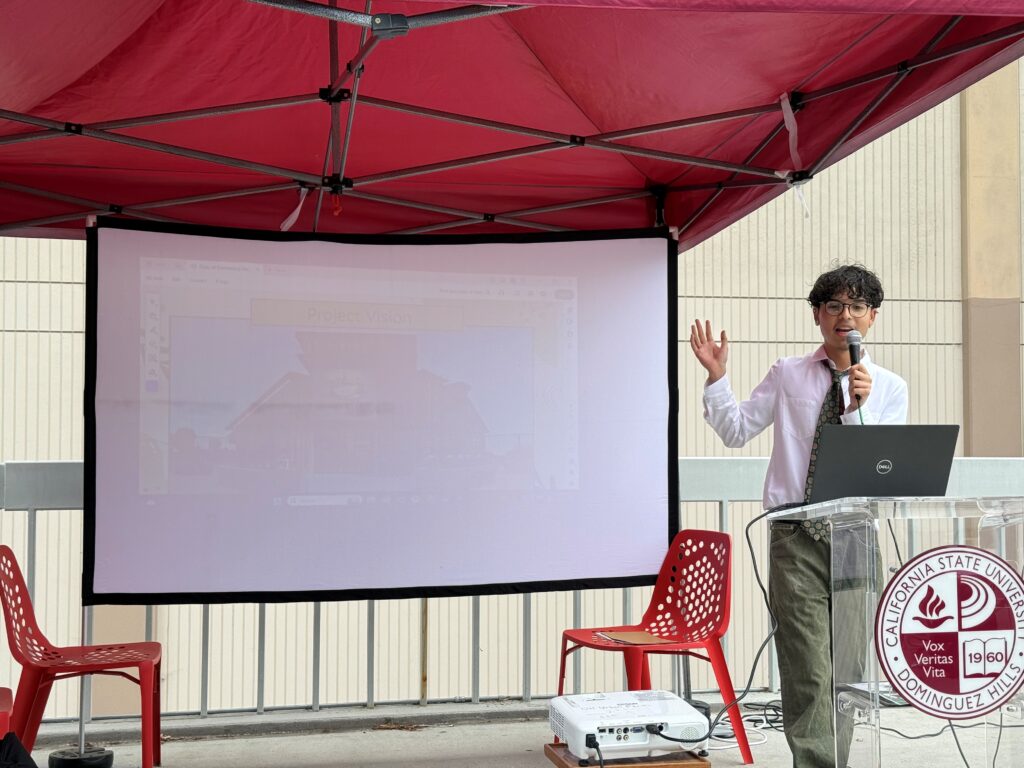
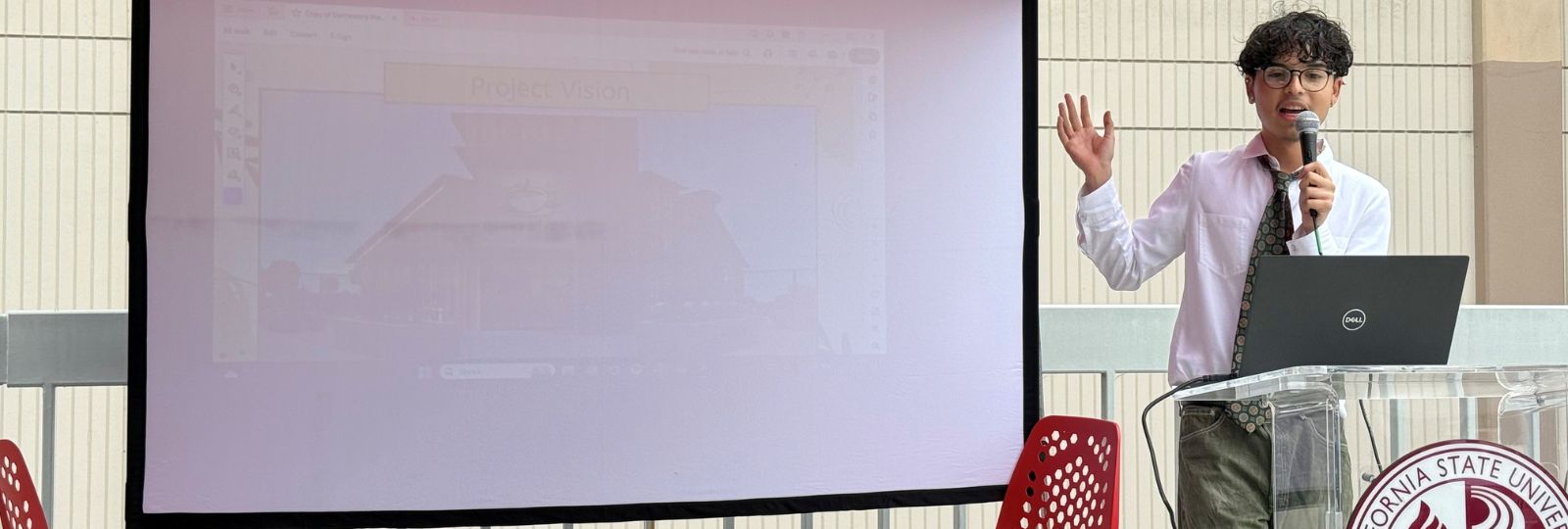
Winning presenter Javon makes his Perfect Pitch
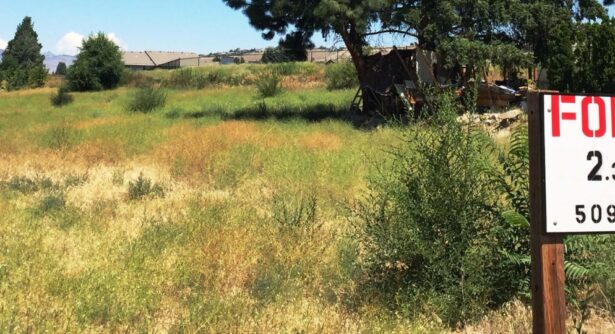
Fellow Javon took first place with his pitch for a coffee shop proposal for a former gas station parcel near the local high school. His framing was simple: give students a “third place”, somewhere between home and school to study and hang out and back it with local market research. The proposal’s strength was specificity: right block, right audience, right gap in what’s currently nearby.
Nature-based solutions showed up everywhere. Across the six pitches, students returned repeatedly to nature-based strategies: bioremediation tied to site-specific contamination; green-space restoration to expand parks access in underserved corners of Carson; remediation work connected to the Dominguez Channel, a watershed with great significance for the community; and an integrated insect sanctuary to support pollinator recovery on a smaller residual parcel. These read as considered responses to what the fellows saw in their own neighborhoods.
The broader goal of the fellowship was to teach both the technical foundations of brownfield redevelopment, as well as to help cultivate the next generation of brownfield practitioners, planners, and community leaders. By asking students to work on real parcels in neighborhoods they personally know, the program encouraged participants to see environmental revitalization as something tangible and achievable within their own communities. Several of the pitches, including the winning coffee shop concept, reflected a genuine desire to create spaces that improve daily life, strengthen community identity, and support longer-term investment and revitalization.
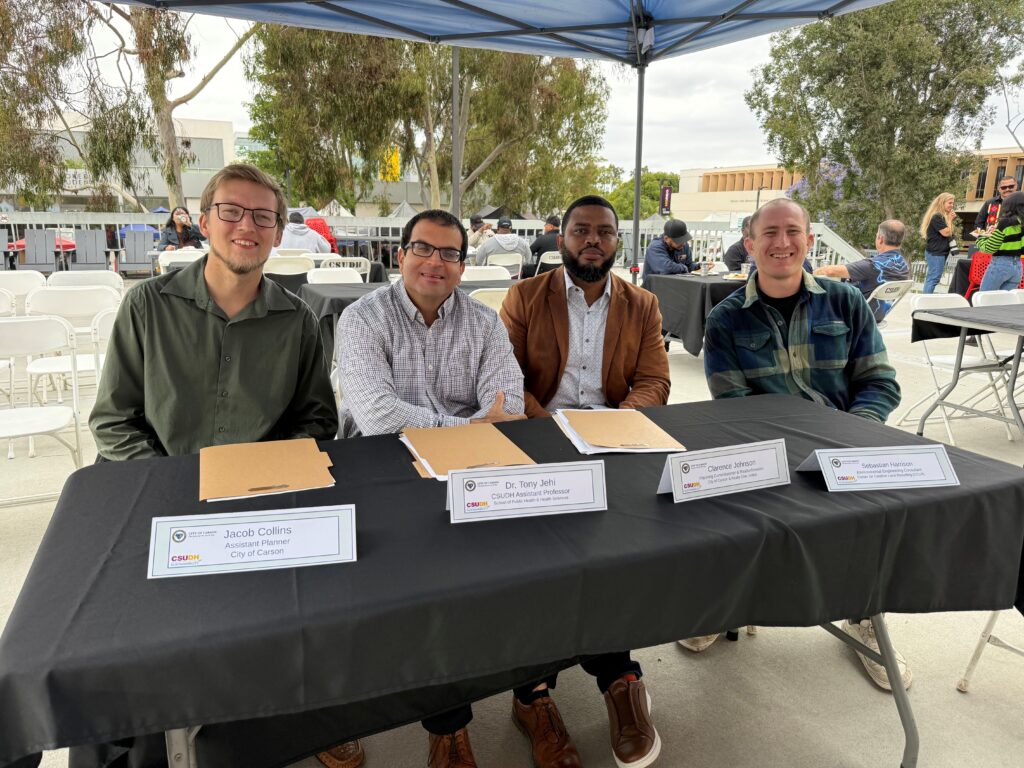
Why this model matters beyond Carson.
Many brownfield grant narratives live or die on the “community engagement” section, and most of those sections lean on a few steering-committee meetings and a public comment period. A Perfect Pitch-style competition flips that. It surfaces ideas from the people closest to the parcels, builds local champions for each proposal, and produces pitch decks, market research, and outreach plans that can be used directly in EPA Brownfields Assessment and Cleanup Grant narratives, DTSC site-specific applications, Transformative Climate Communities packages, and CCLR-supported technical assistance scopes.
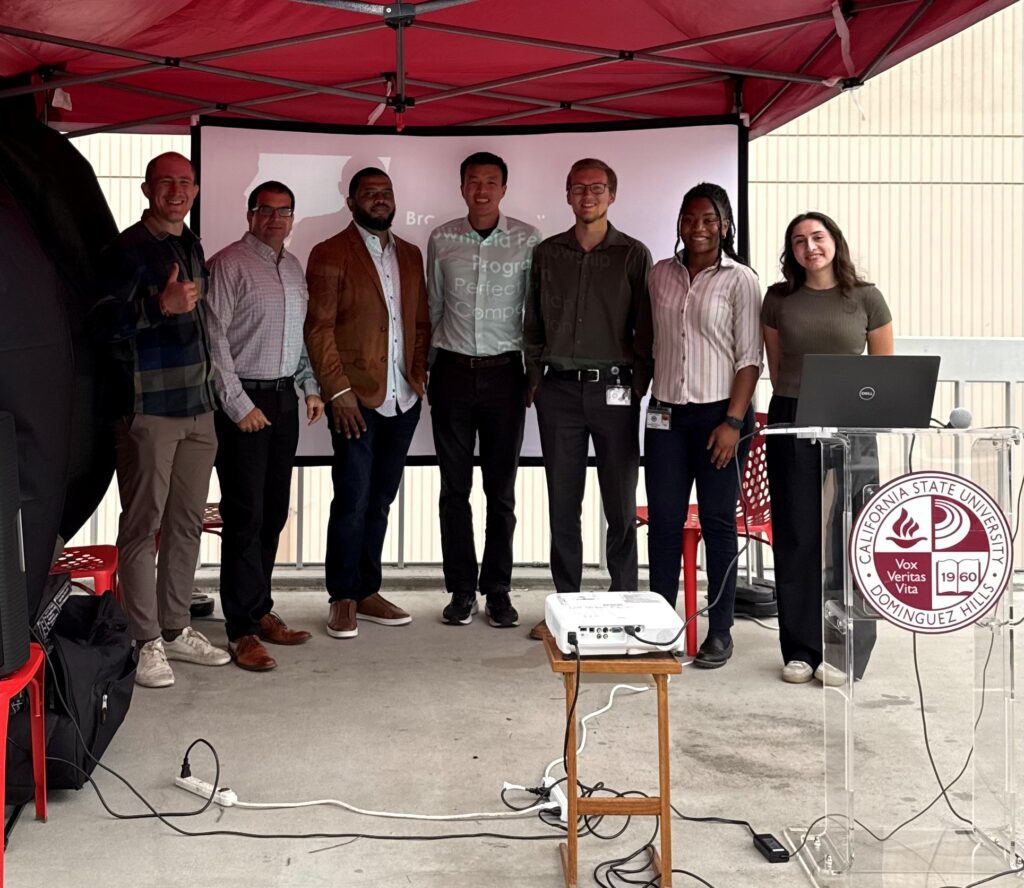
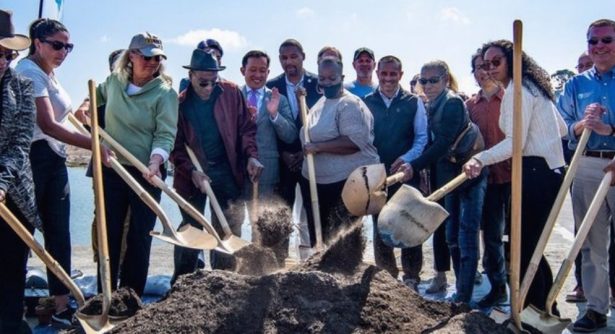
Judges and Cohosts of the Perfect Pitch
The CSUDH Office of Sustainability and City of Carson have built a solid template, and it would travel well to any city with an active brownfields inventory and a campus nearby. This work was funded in collaboration with grants provided by the EPA and DTSC for the City of Carson. Much appreciation for both organizations for the support of this important work. Would you like to host a Perfect Pitch competition for brownfields in your community? Contact CCLR to see how we can assist.