
Resources
Find whatever you need from CCLR Resource Guide
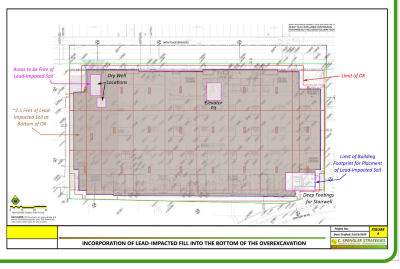

This panel will discuss tools and tips with real life examples to safely manage residual contamination, focusing on when a SMP or OMMP is required or recommended, what a good plan looks like, how to best implement with employees, contractors and regulator...
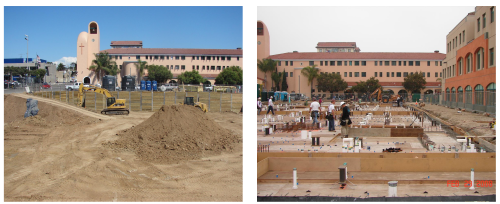
Marking its 20th anniversary, the California Land Reuse and Revitalization Act (CLRRA), effective January 1, 2005, has empowered innocent purchasers, prospective buyers, contiguous property owners, and ground tenants to enter streamlined voluntary agreeme...


Click here for a list of key contacts for brownfields in Guam...
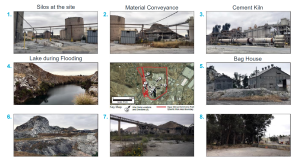
This session explores the transformation of the 281-acre Riverside Cement Plant in Jurupa Valley. Once a major employer and now a model for equitable brownfield redevelopment, the community faced job loss, contamination, and dust exposure after the plant ...
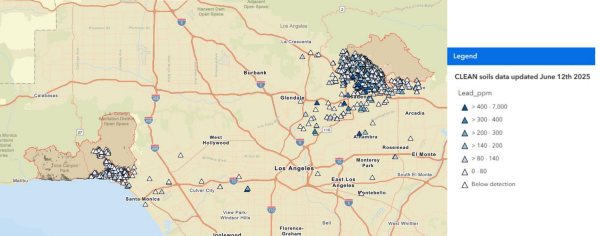
This panel examines the environmental, regulatory, and logistical challenges of rebuilding in the wake of Los Angeles’ urban wildfires. From short-term hazards like toxic debris and air quality impacts to long-term threats such as soil contamination and...
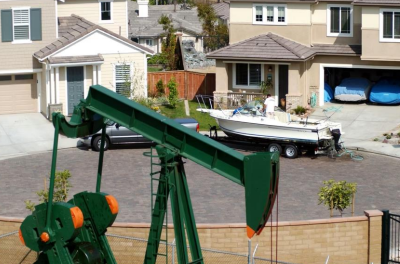
In the context of California oil production property opportunity, this session will include a presentation of what to know and what to look for in terms of regulatory requirements and due diligence/development best practices. The panel will share scary s...
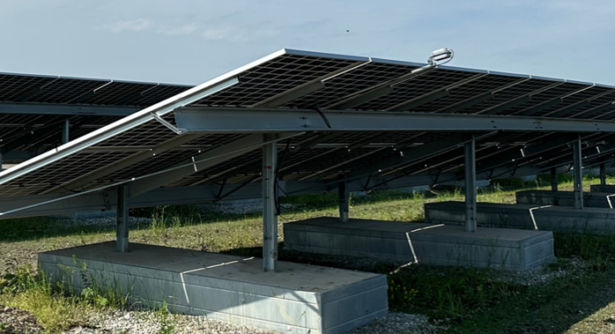
RMI's one page fact sheet on brownfield reuse to support renewable energy projects....
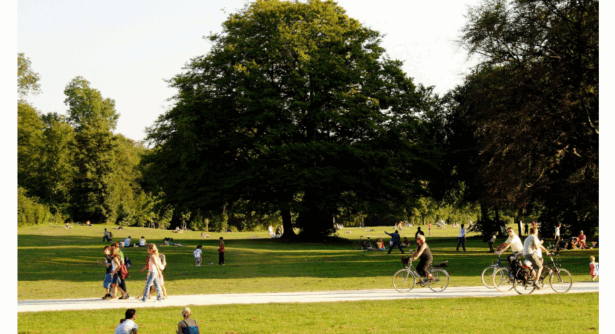
This session will explain AB 304 requirements, including the self-certification process for agencies acting under local health authority....
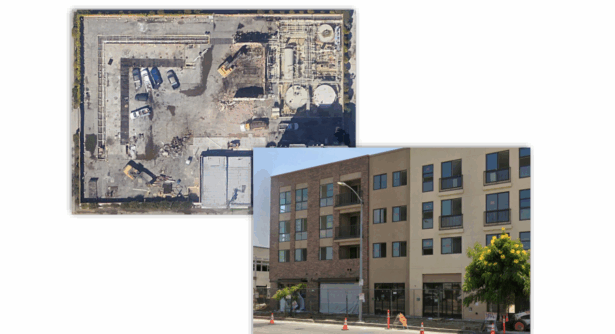
This two-hours session will walk through key decision points when determining whether DTSC, a Regional Water Board, a Local Agency or self-directed is the best fit. Using real-world considerations—such as contamination type, cleanup complexity, communit...